The fashion trends for autumn 2026 are emerging in an unprecedented regulatory context. The European regulation ESPR, applicable since July 19, 2026, prohibits large companies from destroying certain unsold textiles. In France, law n° 2026-602 of July 8, 2026, penalizes brands that multiply new references with a short usage duration. These two texts change the conditions under which brands design their collections and, by extension, the pieces available in stores.
Textile Regulation 2026: What Changes for Your Wardrobe
The recent legislative framework is not just a political signal. The ESPR regulation 2024/1781 concretely imposes the resale, donation, repair, or refurbishment of unsold items. Brands that relied on overproduction to test micro-trends must rethink their model.
The French law goes further. Coming into effect on September 1, 2026, it adjusts the eco-contribution based on the volume of new references offered. A brand that launches several thousand models per season pays more than a brand that focuses its offerings on durable pieces.
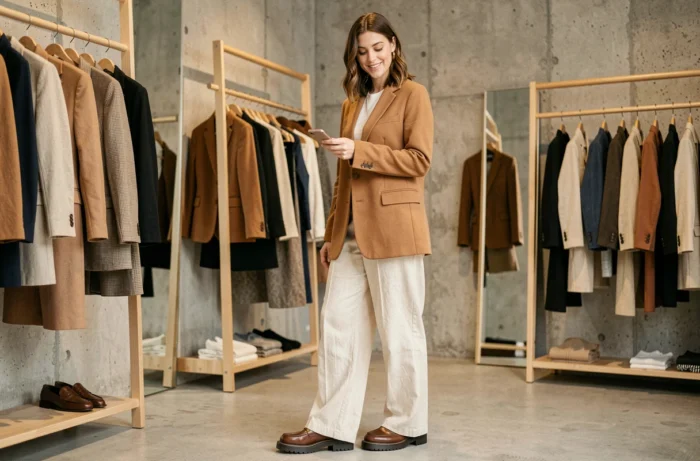
For those seeking a unique and modern style, the direct consequence is a refocusing of collections on clothing designed to last. Fast-moving items are gradually disappearing from shelves in favor of well-crafted cuts, more durable materials, and less volatile colors. The analyses published on concentre-de-mode.com illustrate this shift towards more thoughtful wardrobes.
Structured Cuts and Controlled Volumes: The Fashion Silhouettes of the Season
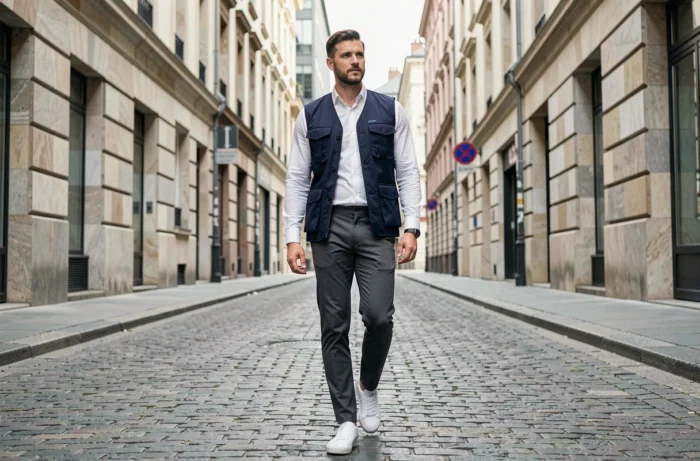
The fashion shows of fall 2026 confirm a clear trend towards architectured silhouettes. Defined shoulders are returning to jackets and coats, while waists are shaped without excess. The contrast between fitted pieces on top and more generous volumes below (wide pants, flared midi skirts) dominates the brands’ offerings.
The Barrel Jean, the Key Cut of the Season
The barrel jean establishes itself as the reference denim cut. Its rounded line at the thighs, tapered at the ankle, creates a distinctive silhouette that stands apart from both slim and wide-leg styles. Worn with a structured short jacket or a tucked-in sweater, it anchors a look in the season effortlessly.
Military Inspiration Reimagined in Premium Version
The military-inspired wardrobe is no longer limited to basic cargo pants. Khaki, olive green, and brown tones are featured on smooth leather or suede pieces, with refined finishes. A lined technical fabric parka worn over a flowing dress creates a juxtaposition that produces a bold personal style.
This premium approach to military style reflects the underlying trend: fewer disposable pieces, more garments with high stylistic value.
Colors and Materials: Choices That Define Personal Style in 2026
The season’s palettes favor sober and natural shades, punctuated by targeted bursts of color. The trio of denim, smooth leather, and suede structures the wardrobe, with each material adding a different texture within the same outfit.
Here are some guidelines for building a coherent wardrobe:
- The base colors (navy, gray, brown, ecru) form the foundation. They combine easily without risk of missteps and transcend several seasons.
- Bright accents (butter yellow, brick red, electric blue) work better as accessories or as a single piece within a sober look. A bag, a scarf, or a pair of shoes is sufficient.
- Textured materials (corduroy, twisted knit, brushed suede) replace busy prints to add depth to a monochrome silhouette.
- The mix of textures within the same outfit (leather and knit, denim and silk) creates a more subtle visual contrast than a printed pattern.
Second Hand and Repair: Building a Fashion Wardrobe Without Accumulation
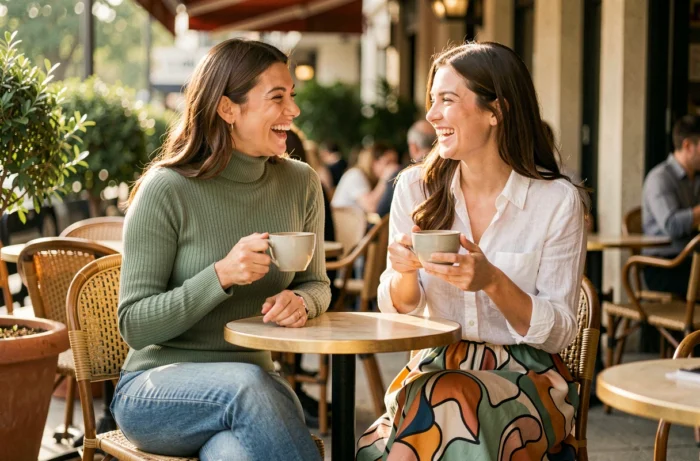
Second hand is no longer a marginal choice. It is progressing as the primary mode of access to characterful pieces for a growing share of consumers. Resale platforms allow for finding quality clothing at reduced prices, often pieces from past collections that are unavailable in stores.
Repair is becoming a style criterion in its own right. Brands that offer alteration or refurbishment services stand out from those that focus on volume. Choosing transformable or alterable clothing allows for evolving a wardrobe without completely renewing it each season.
This logic fits within the regulatory framework mentioned earlier. The brands favored by French law are precisely those that offer shorter collections and pieces designed to last. The consumer who adopts this approach aligns their style with a structural trend, not a fleeting fashion effect.
Accessories as a Lever for Renewal
Rather than multiplying clothing items, accessories provide an effective means to change the look of an existing outfit. A pair of cut-out ballerinas, a structured bag, or bold jewelry can transform a basic ensemble into a polished look.
Detail-oriented shoes (metal buckles, visible seams, contrasting soles) are one of the most dynamic categories of the season. They add character to sober silhouettes without overwhelming the whole.
The fashion trends of 2026 can be summed up in a simple principle: the quality of pieces takes precedence over their quantity. The European and French regulatory framework accelerates this shift, but it also reflects an evolution in expectations. A wardrobe centered around well-cut clothing, in durable materials, with a few strong accessories, produces a more distinctive style than the accumulation of ephemeral novelties.